Plumbing emergencies don’t wait. A pipe bursts, water spreads, and within minutes the situation shifts from inconvenience to property damage. Most homeowners underestimate how quickly water can move through walls, flooring, and structural materials until it’s already happening.
In Houston, these situations escalate faster because of how plumbing systems behave under local conditions. Soil movement places stress on underground lines, pressure fluctuations weaken connections, and aging materials fail without warning. When a pipe gives way, it rarely stays contained. Water travels, pressure redistributes, and damage spreads beyond the original point of failure.
Emergency plumbing is about stopping damage, stabilising the system, and preventing the problem from expanding into something far more expensive.
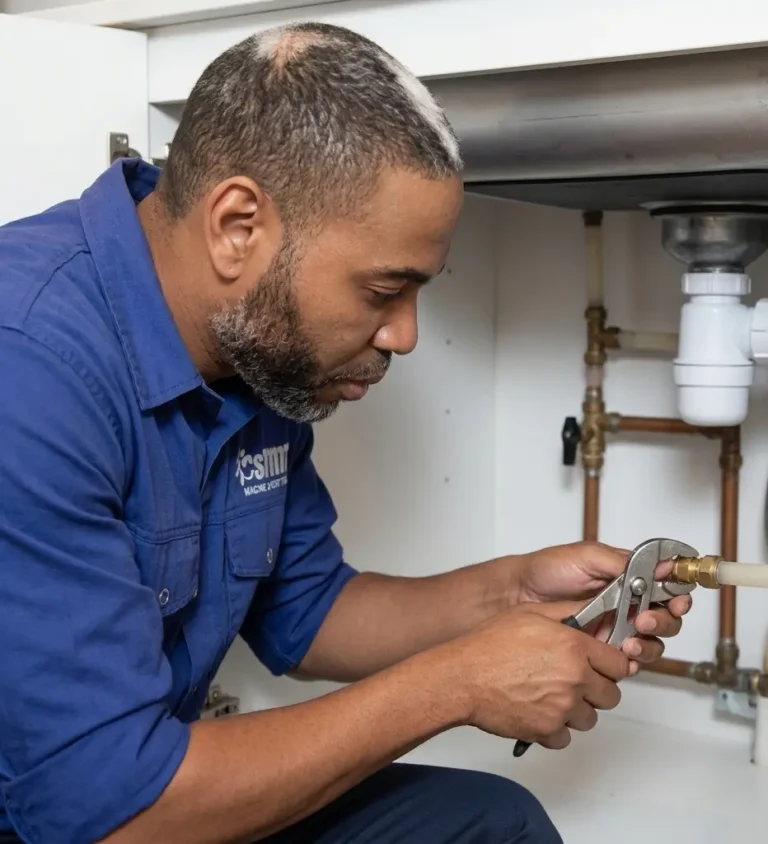
A plumbing emergency is defined by impact and progression, not just the type of issue. If the problem is actively causing damage or has the potential to escalate within a short timeframe, it should be treated as urgent.
Burst pipes are the clearest example because water is being forced out under pressure, and every second increases exposure. The same applies to major leaks, sewer backups, and sudden loss of water supply, all of which indicate system instability. These situations don’t just affect convenience. They affect safety, sanitation, and the integrity of the property.
Other issues may appear minor but can quickly evolve into emergencies. A slow leak behind a wall or a partially blocked line can build pressure over time. Once the system reaches a breaking point, failure happens quickly and often without further warning. Recognising this progression is what allows homeowners to act before the situation becomes critical.
The initial response determines how much damage the system causes before it is controlled. Acting quickly is not about fixing the issue. It is about limiting its impact.
Take immediate action:
Each of these steps reduces the rate at which damage spreads. While they do not resolve the issue, they control the conditions until a professional can stabilise the system.
Emergency plumbing is a controlled process carried out under active conditions. The focus is on stabilising the system before applying a lasting repair. When a plumber arrives, the first objective is to identify the source of the failure while the system is still under pressure. This often involves isolating sections, observing pressure behaviour, and confirming where the system has broken down. Once identified, the immediate repair stops the active issue and prevents further damage.
In more complex cases, the process is staged. A temporary solution may be applied to stabilise the system, followed by a permanent repair once conditions allow for accurate work. This ensures that the system is not only controlled but also restored in a way that prevents recurrence. Skipping proper staging is one of the main reasons emergency repairs fail later.
Emergency plumbing costs in Houston vary based on the severity of the issue, time of service, and how much damage has already occurred. Most homeowners pay not just for the repair itself, but for how complex the situation has become by the time help arrives.
For a realistic range:
After-hours, weekend, or holiday calls can increase labour rates by 1.5x to 2x, depending on availability and urgency.
The key factor is timing. A pipe caught early is usually a straightforward repair. If water has been running for hours, the cost expands beyond plumbing. Wet drywall, damaged flooring, insulation, and even electrical risks add restoration costs that can easily exceed the original repair.
For example, a burst pipe fixed within 30 minutes might stay under a few hundred dollars. The same issue left overnight can result in thousands in combined plumbing and restoration work. That difference is not in the pipe itself. It’s in how far the damage spreads.
Emergency service fees may feel high upfront, but they are often the lowest-cost option when compared to delayed repairs. The faster the system is stabilised, the less damage you have to undo later.

Houston places constant stress on plumbing systems in ways that are not always visible at first. Soil movement gradually shifts underground pipes, affecting alignment and putting pressure on joints and connections. This movement does not stop, which means repairs must account for ongoing stress, not just the current failure point. Humidity accelerates corrosion, especially in older systems, while mineral content in the water contributes to scaling that alters flow and pressure over time. A plumber who works in Houston regularly understands how these conditions interact. They know where failures typically develop, how pressure behaves in different areas, and what type of repair will hold under continued exposure. This changes how the job is approached. Instead of treating the issue as isolated, the repair is adapted to the environment the system operates in.
At DG Plumbing Services, this local experience is applied on every emergency call. Many of the situations we handle involve pipes that were previously repaired without considering Houston-specific conditions, which is why they failed again. By factoring in soil movement, material condition, and pressure behaviour from the start, repairs are carried out in a way that remains stable over time, not just immediately after the fix. Repairs that ignore local conditions may work for a short period, but they tend to fail under the same environmental stress. Repairs that account for those conditions are far more likely to last.
When a plumbing emergency happens, the outcome depends on how quickly and how accurately it is handled. At DG Plumbing Services, emergency calls are managed with a focus on immediate control and correct diagnosis. A large portion of the work involves fixing situations where the initial response was rushed and the cause was not properly identified. That leads to repeat failures and increased damage.
Handling the issue correctly from the start prevents that cycle. The system is stabilised, the cause is addressed, and the repair is applied in a way that holds under normal use.
If you are dealing with a burst pipe or active leak, call (832) 274-3257 and get the situation under control before it escalates further.
What should I do if a pipe bursts in the middle of the night?
Shut off your main water valve first. Don’t wait until morning. Water doesn’t pause just because it’s late, and the damage builds while you sleep.
How quickly can a small leak turn into serious damage?
Faster than most people expect. Give it an hour and it can soak through flooring. Give it a few more and it starts getting into walls and insulation.
Is it worth calling an emergency plumber for a leak that seems minor?
If water is actively escaping, it’s already a risk. What looks small on the surface can be much bigger behind walls or under floors.
Can I leave a leaking pipe until the next day if it’s not flooding?
You can, but it’s a gamble. The system is already under stress, and leaks rarely stay the same. They either spread or get worse under pressure.
Why do pipes suddenly burst even if there were no warning signs?
There are usually signs, just not obvious ones. Pressure imbalance, aging materials, or small internal damage builds over time until the pipe finally gives.
How do I know if the water damage is already spreading behind walls?
Look for subtle changes. Warped flooring, paint bubbling, or a damp smell usually means water has already moved beyond the visible area.
Will turning off the water completely stop the damage?
It stops the source, but not the existing moisture. Water already absorbed into materials will continue to spread unless it’s handled properly.
What’s the biggest mistake people make during a plumbing emergency?
Waiting. Most people hesitate, hoping it’s not serious. That delay is what turns a simple repair into a much bigger and more expensive problem.
Atascocita | Baytown| North Houston| Crosby| Kingwood | Porter | Spring | New Caney
Plumber in Humble, TX offering a wide range of services including leak detection, water heater installation, and emergency repairs.
