Residential plumbing problems rarely begin as emergencies. They develop through small changes in pressure, flow, and material condition that go unnoticed until the system reaches a failure point. A slow drain, a minor leak, or a drop in pressure often signals that stress is already building inside the system.
Most homeowners respond only when the problem becomes visible. At that stage, the issue has already expanded beyond a single point. Water has moved, pressure has shifted, and nearby components are affected. Repair becomes more complex because the system is no longer stable.
We approach plumbing problems by identifying how the issue developed and how it affects the entire system. Repairing the visible damage without restoring balance leads to repeated failures. Long-term reliability depends on understanding why the problem occurred and correcting the conditions behind it.
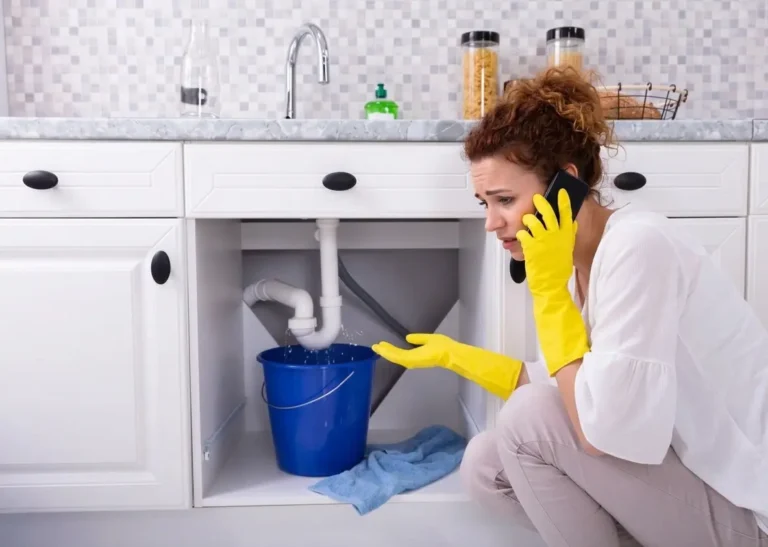
Residential plumbing problems follow consistent patterns because they are driven by pressure, daily usage, and gradual material wear. These issues rarely appear in isolation. They are usually the result of small imbalances building inside the system over time until a visible failure occurs. Understanding these patterns helps explain why problems tend to repeat or spread across different areas of the home.
The most common plumbing problems include:
Each of these problems is directly connected to how the system behaves under pressure. A leak does more than waste water. It reduces pressure in one area and forces the system to redistribute flow, which affects performance elsewhere. A blockage does not just slow drainage. It creates resistance, which increases pressure behind it and places stress on nearby joints and pipe walls.
Corrosion introduces another layer of risk. As pipe walls thin, they lose their ability to handle normal pressure levels. Even stable conditions can lead to failure when the material is already weakened. This is why older systems often experience multiple issues within a short period. Several sections may already be near their failure point.
What makes these problems more costly is how they interact. One issue often leads to another. A blockage increases pressure, pressure stresses weak joints, and those joints eventually leak. This chain reaction is what turns minor plumbing problems into larger system failures if they are not addressed early.
Plumbing systems degrade gradually before failure becomes visible. Pressure acts continuously on pipe walls and connections, while temperature changes cause expansion and contraction. These forces weaken materials over time, even when no immediate issue is present.
Water movement accelerates this process. Minerals, debris, and buildup affect internal surfaces, reducing flow capacity and increasing resistance. As resistance increases, pressure redistributes unevenly across the system.
Small defects form under these conditions. A minor crack, a loose fitting, or a restricted section may not cause immediate failure. Over time, these weak points expand until they reach a threshold where the system can no longer compensate.
Once that threshold is reached, the problem becomes visible. By then, the system has already been under stress for an extended period.
Effective plumbing repair focuses on identifying the exact failure point and restoring system stability so the issue does not return. Plumbing problems develop from pressure imbalance, material wear, or flow restriction. If these conditions remain, repairs will fail or shift to another section of the system.
Repair begins with accurate diagnosis. Water often travels before becoming visible, so the source of the leak may not match the location of the damage. Tracing moisture paths and pressure behavior is necessary to locate the actual failure point. Incorrect identification leads to unnecessary structural work and incomplete repair.
The condition of the pipe determines the repair method. A stable pipe with a localized defect can be sealed or reinforced. A pipe showing corrosion, thinning, or stress damage requires section replacement. Weak material cannot sustain normal pressure, and leaving it in place increases the likelihood of another failure nearby.
System pressure must be evaluated during repair. Pressure above normal range increases stress on joints and fittings, while restricted flow creates localized pressure buildup. Repairing a single point without correcting pressure conditions leads to repeated problems. Stabilizing pressure ensures that force is distributed evenly across the system.
Water exposure must also be assessed. Moisture spreads through surrounding materials such as drywall, wood, and insulation. If left untreated, it leads to structural deterioration and hidden damage beyond the pipe itself.
A complete repair process includes:

DIY repair only works when the issue is isolated, visible, and stable. Once the problem involves hidden leaks, recurring failures, or pressure imbalance, professional intervention becomes necessary to prevent further damage.
Recurring leaks are a clear signal that the system is under stress. Fixing the same spot repeatedly does not resolve the underlying condition. It only delays failure and increases total repair cost over time. What appears as a small issue is often part of a larger system imbalance.
Hidden leaks require accurate detection. Water can travel along surfaces and appear far from the actual source. Opening the wrong section leads to unnecessary damage, higher labor costs, and incomplete repair. Proper diagnosis ensures the repair is targeted and contained.
Pressure-related issues affect the entire system. High or unstable pressure places continuous stress on pipes and fittings. Repairing one section without correcting pressure conditions causes new failures in nearby areas. This creates a cycle of repeated repairs.
These situations require professional handling:
At this stage, the focus should shift from temporary fixes to system-level repair. DG Plumbing Service identifies the source of failure, corrects pressure conditions, and restores the system so it operates reliably under daily use. This approach reduces repeat issues and prevents damage from spreading.
Delaying professional repair increases both complexity and cost. Early intervention keeps the repair contained and avoids structural damage.
We approach plumbing problems by analyzing how they affect the entire system. Every repair begins with identifying the source of failure and understanding how pressure and flow have been impacted.
Our work focuses on long-term performance. We replace compromised sections when necessary, correct pressure imbalances, and restore connections so the system can handle daily use without failure. This prevents repeated issues and reduces long-term cost.
We provide clear assessment so homeowners understand what is happening and what needs to be addressed. This removes uncertainty and avoids repeated repair cycles caused by incomplete fixes.
For reliable repairs and system stability, contact DG Plumbing Service at (832) 274-3257
Why do plumbing problems keep coming back even after I fix them?
Most repeat issues come from fixing the symptom instead of the cause. If pressure, pipe condition, or flow problems are still there, the system will fail again somewhere nearby.
How can I tell if my plumbing issue is bigger than it looks?
If the problem spreads, returns, or affects other areas like pressure or drainage, it’s usually part of a larger system issue rather than a one-time fault.
Is it worth repairing old pipes or should I just replace them?
If problems are happening more often, replacement is usually the better option. Repairing aging pipes repeatedly often costs more in the long run.
Why does my water pressure change randomly during the day?
Fluctuating pressure can be caused by hidden leaks, partial blockages, or system imbalance. It’s a sign that the system isn’t operating consistently.
What’s the risk of ignoring a small leak for a few weeks?
Even a slow leak can spread moisture into walls or flooring and weaken surrounding materials. The longer it sits, the more damage builds behind the surface.
How do plumbers actually find leaks that aren’t visible?
We track how water moves through the system, check pressure behavior, and use targeted detection methods to locate the exact source without unnecessary damage.
Why do I get clogs in the same drain over and over again?
Recurring clogs usually mean there’s buildup deeper in the pipe or a flow issue that hasn’t been fully cleared. Surface cleaning doesn’t solve the root problem.
When is it cheaper to call a plumber instead of fixing it myself?
If the issue comes back, spreads, or involves hidden areas, calling a plumber early is usually cheaper than dealing with repeated repairs and added damage later.
Atascocita | Baytown| North Houston| Crosby| Kingwood | Porter | Spring | New Caney
Plumber in Humble, TX offering a wide range of services including leak detection, water heater installation, and emergency repairs.
