A leaking pipe is one of those problems that looks small at first but rarely stays that way. A slow drip under the sink or a damp patch on the wall might seem manageable, but those early signs often point to deeper issues inside your plumbing system. Left unchecked, even a minor leak can lead to structural damage, mold growth, and rising water bills.
What makes pipe leaks tricky is that the visible damage is often just the surface. The real issue could be pressure stress, internal corrosion, or a failing joint hidden behind walls or under floors. That is why quick fixes sometimes work and sometimes fail completely. This guide breaks down the repair options available, how to judge the severity of a leak, and when it is smarter to bring in a professional before the situation gets worse.
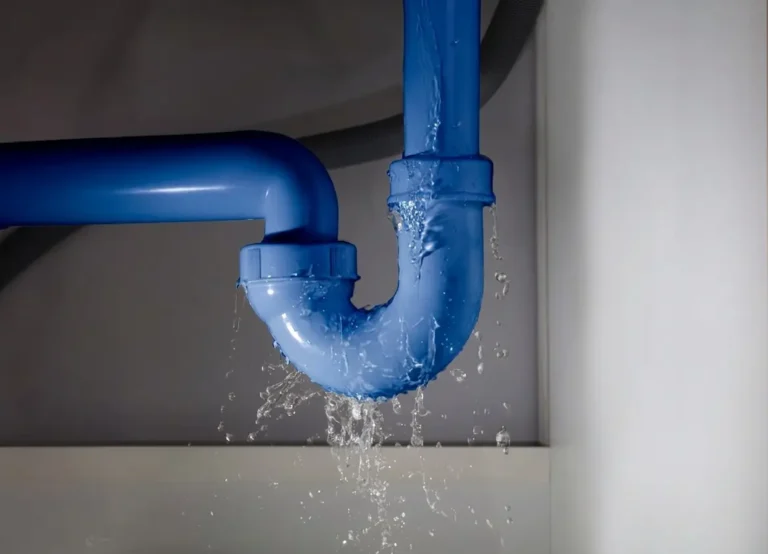
Pipe leaks are rarely random. They develop over time due to stress, wear, or poor installation. One of the most common causes is aging materials. Pipes made from older materials such as galvanized steel gradually corrode from the inside. Even copper, while durable, can weaken over time, especially in areas with hard water that accelerates mineral buildup.
Water pressure is another major factor. High pressure may feel convenient, but it puts constant strain on pipe joints and fittings. Over time, that pressure exploits weak points, leading to cracks or separation at connections. Many homeowners do not realize that pressure issues can silently damage a system long before a leak becomes visible.
Installation quality also plays a role. Poorly fitted joints, mismatched materials, or rushed repairs can create weak spots that eventually fail. These problems do not always show up immediately, which is why leaks sometimes appear long after previous work was done.
Environmental conditions add another layer. Temperature changes cause pipes to expand and contract, especially in exposed or poorly insulated areas. Ground movement can also shift underground lines, placing stress on connections. When these factors combine, even a well-installed system can begin to leak.
Not every leak requires a full replacement. Some can be managed quickly if caught early, but the key is understanding whether you are applying a temporary solution or a long-term fix.
For small cracks or pinhole leaks, pipe tape and epoxy are often the first options people reach for. These materials can seal minor damage effectively, especially in low-pressure areas. However, they are best treated as short-term solutions. They buy you time, but they do not address the underlying cause of the leak.
Pipe clamps and rubber patches offer a more durable temporary fix. These are especially useful when the leak is visible and accessible. By compressing a rubber seal over the damaged section, they can stop water flow more reliably than tape or epoxy. Still, they are not meant to replace proper repair work.
When the damage is more severe, replacing the affected section of pipe is the correct approach. This can be done using push fit or compression fittings, which allow for quick installation without specialized tools. This method is far more reliable because it removes the damaged portion entirely instead of covering it.
The mistake many homeowners make is treating all repairs as equal. A patch is not the same as a replacement. If you rely on temporary fixes for structural problems, the leak will return, often with more damage than before.
The difference between a manageable leak and a serious issue is not always obvious at first, but there are clear signs if you know what to look for.
A minor leak is usually isolated and easy to access. You can see exactly where the water is coming from, and the surrounding area remains dry. In these cases, a temporary fix may hold long enough for you to plan a proper repair.
A more serious problem behaves differently. You may notice water stains spreading across walls or ceilings, a persistent musty smell, or mold starting to form. Water pressure may drop without explanation, or your utility bill may increase even though your usage has not changed. These are signs that the leak is not just where you see it.
Hidden leaks are especially dangerous. Water can travel along surfaces before becoming visible, meaning the actual source may be far from the damage you notice. In these situations, surface-level fixes do nothing to stop the real problem.
Recurring leaks are another warning sign. If you repair one area and the issue comes back or appears nearby, the system is already compromised. At that point, continuing with DIY fixes usually leads to repeated failures.
There is a clear threshold where a pipe leak stops being a simple repair and becomes a system-level problem. At that point, the goal is no longer just stopping water flow. It is identifying the failure point, correcting the cause, and preventing repeat damage under real operating pressure.
Recurring leaks are one of the strongest indicators. If the same pipe leaks again after being patched, the issue is no longer surface-level. The pipe wall may already be structurally compromised, or internal pressure is exceeding what temporary materials can handle. In many cases, repeated leaks signal fatigue failure, where the pipe has weakened over time due to stress cycles.
Location plays a critical role in risk assessment. Exposed leaks, such as those under sinks, allow for direct inspection and controlled repair. Hidden leaks inside walls, ceilings, or slabs behave differently. Water can travel along structural surfaces, saturate materials, and create conditions for mold growth before becoming visible. By the time you notice it, secondary damage is already underway.
Burst pipes require a completely different response. This is no longer a repair scenario. It is an emergency. Water discharge rates from a burst line can flood large areas in minutes, affecting flooring, electrical systems, and structural components. Even after shutting off the supply, restoring the system safely requires proper isolation, replacement, and pressure testing.
To make this easier to assess, here is a practical breakdown of when a situation moves beyond DIY repair:
Condition Type | Technical Description | System Impact | Risk Level | Recommended Action |
Minor Surface Leak | Small, visible leak from joint or pipe wall with low flow rate | Localized moisture, no pressure loss | Low | Temporary repair acceptable, monitor closely |
Recurring Leak | Repeated failure at same point after repair | Indicates material fatigue or pressure imbalance | Moderate | Professional inspection required to identify root cause |
Hidden Leak | Leak inside wall, ceiling, or underground with indirect signs such as stains or odor | Moisture spread, structural absorption, mold risk | High | Immediate professional detection and repair |
Pressure-Related Leak | Leak caused by excessive system pressure or hydraulic stress | System-wide strain affecting multiple joints | High | Pressure testing and system adjustment needed |
Corrosion-Induced Leak | Pipe wall degradation due to oxidation or mineral buildup | Weakening of pipe integrity across sections | High | Section replacement or repiping recommended |
Burst Pipe | Complete rupture with high water discharge rate | Rapid flooding, structural and electrical damage | Critical | Emergency shutdown and immediate professional repair |

When a leak happens, speed is important, but accuracy is what actually saves you money. Fixing the wrong area or applying a quick patch without understanding the cause only delays the problem.
DG Plumbing Service approaches leak repairs by focusing on the source first. Every job starts with identifying where the issue begins, not just where the water shows up. This avoids unnecessary work and prevents repeat failures.
Experience also plays a role in how repairs are handled. Instead of relying on temporary solutions, the focus is on repairs that hold under real conditions. That could mean replacing a damaged section, correcting a poor connection, or addressing pressure issues that caused the leak in the first place.
Homeowners tend to call when they want the problem handled properly, not just quickly. They want clarity, not guesswork, and repairs that last longer than a few weeks.
If you are dealing with a pipe leak and you are not fully sure what is causing it, that uncertainty is already a risk. Getting it checked early is usually the difference between a simple repair and a much bigger job later.
Call DG Plumbing Service at (832) 274-3257 and get the leak fixed properly before it turns into a larger problem.
Can a small pipe leak really cause serious damage over time?
Yes, and this is where most people get caught off guard. A slow leak may not look urgent, but water spreads quietly. It can soak into wood, drywall, and insulation without being obvious at first. Over time, that leads to rot, mold, and structural damage that costs far more than the original repair.
Why does my pipe keep leaking even after I fix it?
If a leak comes back, the repair likely didn’t address the real problem. It could be internal corrosion, high water pressure, or a weak section of pipe nearby. Temporary fixes only seal the symptom. If the cause remains, the leak will return, sometimes in the same spot or right next to it.
Is pipe repair tape or epoxy actually reliable?
They work, but only in the short term. These materials are designed to stop water quickly, not to hold up under long-term pressure and wear. Think of them as a way to buy time, not a permanent solution. Relying on them long-term is where problems start.
How do I know if a leak is hidden behind a wall?
You usually won’t see the pipe itself, but the signs are there. Look for unexplained stains, peeling paint, a musty smell, or areas that feel damp. If your water bill goes up without a clear reason, that’s another strong clue something is leaking out of sight.
What should I do immediately when I notice a leak?
First, shut off the water supply to stop further damage. Then dry the area as much as possible to prevent moisture from spreading. After that, assess whether the leak is visible and manageable. If you’re unsure, it’s safer to have it checked before it gets worse.
Does high water pressure really cause pipe leaks?
Yes, and more often than people think. High pressure puts constant stress on pipes and joints. Over time, that stress weakens connections and can lead to cracks or sudden failures. It’s one of the most common hidden causes behind recurring leaks.
Is it cheaper to repair a pipe or replace it?
It depends on the condition of the pipe. If the damage is isolated, repair is usually enough. But if the pipe is already weakened or corroded, replacing a section is often the better long-term option. Paying slightly more upfront can prevent repeat repairs and higher costs later.
How quickly should I call a plumber after noticing a leak?
If it’s a minor, visible leak, you may have a short window to manage it temporarily. But if there’s any uncertainty, hidden damage, or water spreading, don’t wait. The longer a leak continues, the more damage it causes. Acting early is almost always the cheaper and safer decision.
Atascocita | Baytown| North Houston| Crosby| Kingwood | Porter | Spring | New Caney
Plumber in Humble, TX offering a wide range of services including leak detection, water heater installation, and emergency repairs.
