Pipe leak repair costs range from $150 to over $2,500, but the number itself means nothing without understanding what drives it. A leak is not a single point of failure. It is the result of pressure, material wear, and system imbalance building over time. By the moment water becomes visible, the problem has already progressed.
A drip under a sink behaves differently from a leak inside a wall. One stays contained. The other spreads through surfaces, weakens materials, and builds hidden damage. That difference is what separates a quick repair from a multi-layer job.
Most cost problems start with misjudgment. The leak looks small, so it gets patched. The system remains unstable. The same issue returns or shifts to another point. Each attempt adds cost while the underlying condition continues. Understanding how pricing works requires looking beyond the leak itself and focusing on how the system failed.
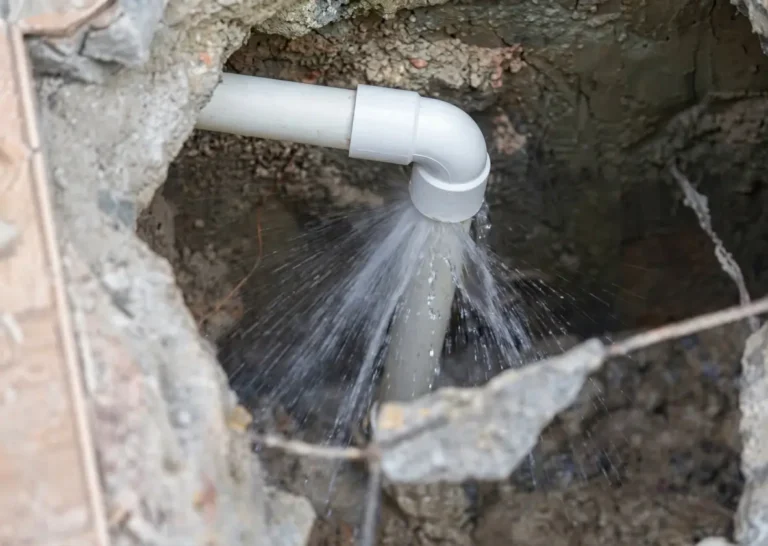
Pipe leak repair follows clear cost tiers based on how contained the problem is.
These numbers reflect effort, not just materials. The pipe itself is rarely expensive. The cost comes from the steps required to reach it, repair it correctly, and restore the area afterward.
A visible leak stays simple because the work begins and ends at the same point. A hidden leak turns into a sequence. Detection, controlled access, repair, and restoration all become part of the job. Each step increases labor and risk, which is why the price rises.
Location controls how the repair unfolds from the first step.
An exposed pipe creates a direct path. The plumber sees the problem, isolates it, and fixes it without affecting anything else. The job stays contained, which keeps both time and cost low.
Once the pipe is hidden, the repair shifts into investigation. Water does not move straight down from the leak. It travels along surfaces, framing, or insulation before appearing somewhere visible. That means the stain or damp area you notice is often not the source. Finding the exact point requires accuracy, because opening the wrong area increases both damage and cost.
Access introduces the next layer. Walls or ceilings must be opened carefully to expose the pipe. The goal is to remove only what is necessary while still allowing a complete repair. Precision reduces restoration work. Poor access increases it.
Underground or slab leaks operate under a different set of constraints. There are no visible indicators to follow, so detection relies on specialized methods. Access may involve cutting through concrete or rerouting sections of pipe. In these cases, most of the cost comes from reaching the pipe rather than repairing it.
The deeper the pipe sits within the structure, the more the job shifts from repair to controlled access and recovery.
Fixing a pipe leak inside a wall or ceiling typically ranges from $500 to $2,500 because the process includes multiple stages beyond the pipe itself. Detection is the first challenge. Water movement makes surface clues unreliable. A stain on the ceiling may originate several feet away from the actual leak. Locating the source requires tracing moisture patterns and identifying pressure points within the system. Access follows detection. The surrounding material must be opened in a way that exposes the pipe without causing unnecessary damage. Removing too much increases restoration cost. Removing too little risks incomplete repair and repeat failure.
The repair stage involves replacing or securing the damaged section and restoring proper connections. The system is then tested under pressure to confirm stability. Restoration completes the process. Drywall, ceiling material, or insulation must be replaced or treated depending on the extent of moisture exposure. If the leak has been active for a prolonged period, moisture may have affected structural materials. This expands the scope of work even if the pipe repair itself is straightforward.
Pipe leak repair cost is shaped by a combination of conditions that build on each other rather than a single issue. The more these factors overlap, the more the job shifts from a simple repair into a multi-stage process involving detection, access, and restoration.
The most influential cost drivers include:
Location determines how the job begins. A visible pipe allows direct repair, while a hidden pipe requires detection before any work can start. Water rarely appears at the exact source, so accuracy becomes critical. Opening the wrong area adds unnecessary labor and increases restoration cost.
Pipe condition decides whether the repair stays contained. A minor defect in a stable pipe can be handled quickly. A pipe that has thinned due to corrosion or long-term pressure behaves differently. It may fail again even after a patch, which is why replacing a section becomes the more reliable solution.
Water pressure affects the entire system, not just the damaged area. When pressure is too high, stress builds across joints and weak points. Fixing one section without correcting pressure often leads to another leak nearby, creating a cycle of repeated repairs.
Water damage expands the job beyond plumbing. Moisture moves through insulation, wood, and nearby surfaces, often reaching areas that are not immediately visible. The longer it remains, the more materials require drying, treatment, or replacement.
Timing controls how far the problem develops. Early-stage leaks remain localized and easier to manage. Delayed repairs allow damage to layer, increasing both the complexity of the work and the total cost required to resolve it properly.

Repair time depends on how much of the plumbing system is involved and how much work is required before the pipe can even be reached. The actual repair is often the shortest part of the job. Most of the time is spent identifying the source and preparing access.
In simple cases, the process is direct. A visible leak allows immediate action because the failure point is clear. The pipe can be isolated, repaired, and tested without interruption. These jobs are completed quickly because there is no need for investigation or structural work.
Hidden leaks change the timeline completely. Water rarely appears where the leak starts, so the first stage involves tracing moisture patterns and identifying the exact source. This step requires accuracy because opening the wrong area adds time and increases restoration work. Once the source is confirmed, access must be created carefully to expose the pipe without causing unnecessary damage.
Complex repairs take longer because the issue is no longer isolated. When water has spread or when multiple weak points exist, the repair becomes a sequence of steps rather than a single fix. Each stage builds on the previous one, and skipping any part increases the risk of repeat failure.
Typical timelines vary based on the situation:
Time increases with system involvement, not with the pipe itself. A small leak in a difficult location can take longer than a larger leak that is easy to access.
DG Plumbing Service begins with source identification to avoid unnecessary work and structural damage. Repair decisions are based on system condition rather than surface symptoms.
Damaged sections are replaced when needed, and pressure or connection issues are corrected to prevent repeat failure. Work focuses on long-term performance under normal operating conditions.
Clear assessment allows homeowners to understand the issue and the required solution without uncertainty. This reduces repeated repair attempts and unnecessary expense.
For a reliable repair that addresses the full problem, call DG Plumbing Service at (832) 274-3257
Why does one pipe leak cost so little while another gets expensive fast?
The difference usually comes down to access and damage spread. A leak you can see is easy to fix. A leak hidden behind walls or under flooring takes time to locate and reach, which is where most of the cost comes from.
How can I tell if my pipe leak is already getting worse?
Watch for signs like expanding stains, a drop in water pressure, musty smells, or water appearing in new areas. If the leak seems to “move,” it usually means water is spreading behind surfaces.
Can a small pipe leak really turn into a big repair job?
Yes. Small leaks rarely stay small. Water keeps moving, materials absorb it, and nearby pipe sections weaken over time. What starts as a minor fix can grow into structural repair if left alone.
Why do plumbers sometimes recommend replacing a section instead of patching it?
Patching only covers the damaged spot. If the pipe is already weak from corrosion or pressure stress, it can fail again nearby. Replacing a section removes the weak area and stabilizes that part of the system.
Is it normal for a leak to come back after I’ve already fixed it?
It happens when the repair doesn’t address the cause. If pressure, pipe condition, or connection issues remain, the leak may return in the same spot or show up somewhere close.
What’s the biggest mistake homeowners make with pipe leaks?
Waiting too long. Many people delay repairs because the leak looks manageable. By the time it gets attention, the damage has already spread, which increases both cost and complexity.
Do all pipe leaks need immediate repair, or can some wait?
Most leaks should be handled as soon as possible. Even slow leaks continue to weaken materials and raise water bills. Delaying repair often turns a simple job into a more expensive one.
How do I know if I should call a plumber right away or try fixing it first?
If the leak is visible, stable, and easy to access, a temporary fix may hold for a short time. If it’s hidden, spreading, or returning after repair, it’s already beyond a DIY solution and needs professional attention.
Atascocita | Baytown| North Houston| Crosby| Kingwood | Porter | Spring | New Caney
Plumber in Humble, TX offering a wide range of services including leak detection, water heater installation, and emergency repairs.
