Pipe leaks develop long before they become visible. Water escapes inside walls, under floors, or along concealed runs where detection is delayed. By the time stains, warping, or dampness appear, the system has already been losing water for an extended period. Structural materials absorb moisture immediately, and the longer exposure continues, the more expensive the damage becomes.
A pipe leak is a failure of containment under pressure. Water systems operate under constant load. Pressure cycles, temperature changes, and material fatigue act together until a weak point gives way. Locating the leak is only part of the process. Understanding why it formed determines whether the repair will hold or fail again.
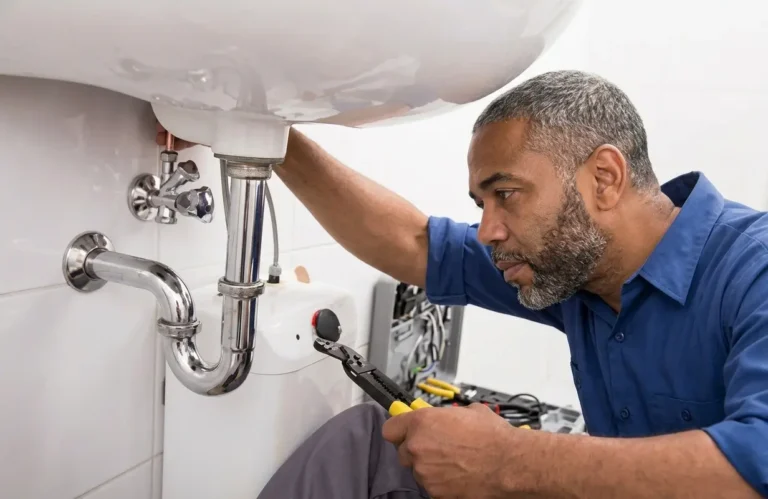
Pipe leaks develop at points where mechanical stress, pressure fluctuation, and material fatigue are concentrated. These are not random failures. Each leak location reflects how force is distributed across the system over time. Areas that handle movement, pressure changes, or material transitions are more likely to weaken first.
Joints and fittings carry the highest load because they connect different pipe sections and rely on seals to maintain pressure containment. Every time water flows through the system, these points absorb slight movement. Over time, seals compress, harden, or lose alignment. This creates small gaps where water begins to escape, often starting as slow leaks before becoming more visible.
Straight pipe sections fail differently. Metal pipes degrade internally due to corrosion. This reduces wall thickness until pressure forces water through weakened areas. Plastic pipes resist corrosion but remain sensitive to stress at connection points, especially when alignment is not perfectly straight. Constant pressure combined with slight misalignment creates long-term strain that leads to failure.
Underground pipes face additional external stress. Soil movement shifts pipe alignment gradually. This places tension on joints and bends, weakening connections over time. Temperature changes in the ground also affect expansion and contraction, adding another layer of stress.
Location directly affects repair difficulty. Exposed leaks can be accessed and resolved quickly. Hidden leaks behind walls or beneath slabs require structural access, increasing both time and cost.
Common Leak Locations and Why They Fail
Detection depends on system behavior, not visual confirmation. Pressure loss is one of the earliest indicators. Water escapes before reaching fixtures, reducing output without an obvious cause.
Water usage patterns reveal hidden leaks. A sudden increase in water bills without increased usage indicates continuous loss. Sound also provides clues. Running water inside walls when no fixtures are active suggests active leakage.
Surface changes appear later. Damp areas, discoloration, or soft spots in flooring indicate moisture accumulation. These signs reflect ongoing leakage rather than a recent event.
Key detection signals:
Early detection limits structural damage and reduces repair scope.
Pipe leaks are not all the same. The type of leak reveals how far the system has degraded and where the underlying stress is concentrated. Identifying the leak type allows you to assess whether the issue is localized, developing, or already structural.
Pinhole leaks in metal pipes are one of the earliest visible signs of corrosion. These small openings form when internal pipe walls thin due to chemical reactions with water. While the leak itself may appear minor, it often indicates that corrosion is occurring across a wider section of the pipe. Repairing a single pinhole does not stop the progression of internal degradation.
Joint leaks develop at connection points where seals are exposed to repeated pressure changes. Over time, gaskets compress, threads loosen, or fittings shift slightly out of alignment. These leaks are usually localized and repairable, but they also signal that the system is experiencing pressure stress that may affect other connections.
Burst pipes represent sudden structural failure. These typically occur when pressure exceeds the pipe’s tolerance or when freezing causes water inside the pipe to expand rapidly. A burst releases water at full pressure, often causing immediate and extensive damage. This type of failure reflects a system that has exceeded its stress limits.
Slab leaks occur in pipes located beneath the foundation. These develop slowly and are often caused by long-term corrosion, soil movement, or constant pressure stress. Because they are hidden, they can continue for extended periods before detection. By the time they are discovered, damage may already affect flooring, foundation stability, or structural alignment.
Leak Types and What They Reveal
Repair decisions depend on structural integrity. A pipe that remains stable can be repaired at the point of failure. A pipe that shows widespread degradation will continue to fail even after repair.
Localized leaks at fittings or joints can be corrected by replacing the affected section. This restores containment without affecting the rest of the system.
Corrosion across multiple sections changes the approach. Repairing one area leaves other weakened sections under pressure. New leaks form as the system continues to degrade.
Repair when:
Replace when:
Repair resolves a single failure point. Replacement removes multiple future failure points.

Pipe leaks rarely occur in isolation. They reflect broader system conditions such as pressure imbalance, material fatigue, or environmental stress. Repairing the visible leak without evaluating these factors leads to repeated failure.
At DG Plumbing Services, leak diagnosis includes pressure testing, material inspection, and system performance evaluation. Many recurring leaks originate from incomplete repairs that addressed symptoms without correcting underlying conditions.
Proper evaluation ensures that the repair stabilizes the system rather than temporarily containing the problem.
If a pipe leak is present or suspected, call (832) 274-3257 for a full system assessment.
Why do pipe leaks seem to appear suddenly even if nothing changed?
Because the failure builds over time. Pressure, wear, and corrosion reach a point where the pipe can no longer hold, then the leak shows up all at once.
Can a pipe leak affect my water pressure in the whole house?
Yes. Even a small leak reduces overall system pressure because water is escaping before it reaches your fixtures.
Why does my pipe leak only at certain times of the day?
Pressure fluctuates depending on usage. When demand is high, pressure increases and forces water through weak points.
Is it possible to have multiple leaks without noticing all of them?
Yes. Hidden leaks inside walls or underground can exist at the same time, especially in older or stressed systems.
Do newer homes still experience pipe leaks?
They can. Installation issues, pressure imbalance, or material defects can cause leaks even in newer plumbing systems.
Can high water pressure damage pipes over time?
Yes. Excessive pressure puts continuous stress on joints and pipe walls, which accelerates wear and increases the risk of leaks.
Why do some leaks leave stains or discoloration on walls or floors?
Water carries minerals and contaminants that leave marks as it spreads through materials. These stains often indicate ongoing leakage.
How long can a hidden pipe leak go unnoticed?
Weeks or even months. Hidden leaks develop slowly and only become visible once moisture reaches surfaces or causes structural changes.
Atascocita | Baytown| North Houston| Crosby| Kingwood | Porter | Spring | New Caney
Plumber in Humble, TX offering a wide range of services including leak detection, water heater installation, and emergency repairs.
