Most homes don’t need more space. They need better layout, better flow, and systems that can support how people actually live. The problem is not size. It is how the space is structured and used.
Homeowners often deal with tight movement areas, poor storage, inefficient layouts, and outdated systems. These are not design flaws in appearance. They are functional failures. Over time, these limitations affect comfort, efficiency, and even property value.
Home remodeling solutions exist to correct these issues. A well-planned remodel improves how a space works every day. It aligns layout, systems, and materials so that the home performs consistently without creating new problems.
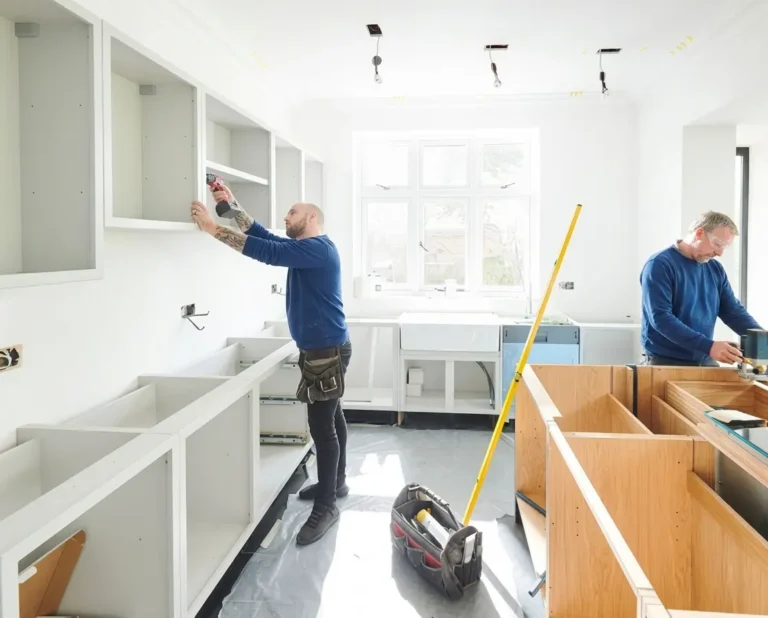
Living spaces become inefficient when the original layout no longer matches how the home is used. Layouts remain fixed, but routines evolve. As daily activities change, the space begins to resist those changes instead of supporting them.
Movement patterns are usually the first to break down. Pathways that were once clear become restricted due to furniture adjustments, added fixtures, or poor zoning. This creates congestion and forces inefficient circulation, where movement cuts through areas not designed for traffic. Over time, this reduces usability and limits how often certain areas are used.
Storage pressure builds gradually. When storage is not planned as part of the structure, items are placed wherever space is available. This leads to clutter in active zones and reduces functional space. The problem is not lack of storage, but poor integration of it.
System limitations follow as demand increases. Plumbing and electrical systems are often designed for lower capacity. Modern usage introduces additional appliances, fixtures, and load requirements. Without upgrades, systems begin to underperform, resulting in issues such as inconsistent water pressure, slow drainage, or overloaded circuits.
Material degradation adds another layer of inefficiency. Surfaces exposed to heat, moisture, and repeated use begin to fail. This increases maintenance and reduces reliability. Once materials degrade, they affect both performance and safety.
The most common causes of inefficiency include:
Inefficiency develops when layout, systems, and materials no longer function as a unified system.
Effective home remodeling solutions correct structural inefficiencies and improve how the space performs under daily use. They focus on alignment between layout, storage, and system capacity rather than surface-level changes.
Layout reconfiguration is one of the most impactful solutions. Adjusting walls, redefining zones, and repositioning key areas such as kitchens and living spaces improves flow and accessibility. This removes unnecessary movement and creates a layout that supports daily routines.
Integrated storage transforms how space is used. Built-in systems are designed within the structure, which allows storage to exist without disrupting movement. This improves organization and maintains clear pathways, especially in high-use areas.
System upgrades are essential when layout changes occur. Relocating fixtures or expanding functional zones requires adjustments to plumbing, electrical, and ventilation systems. Without these upgrades, new layouts create strain on outdated systems and lead to performance issues.
Lighting optimization improves both usability and efficiency. Proper placement ensures that each area supports its intended function. Task lighting improves precision, while ambient lighting supports movement and visibility.
Remodeling value is measured by how effectively an upgrade improves performance, durability, and efficiency over time. Visual improvements may increase short-term appeal, but they do not sustain value unless they are supported by functional upgrades that reduce maintenance, improve system stability, and enhance usability.
System upgrades deliver the highest long-term return because they address operational reliability. Increasing plumbing capacity improves flow consistency and reduces pressure fluctuations. Electrical upgrades allow higher load distribution without circuit overload. Ventilation improvements regulate airflow, reduce moisture accumulation, and prevent structural deterioration. These upgrades directly affect how the home performs under continuous use.
Layout optimization increases functional efficiency by improving movement and accessibility. A well-designed layout reduces unnecessary steps, eliminates congestion points, and improves interaction between key areas. This results in measurable efficiency gains in daily activity, particularly in high-use zones such as kitchens and living spaces.
Material durability determines lifecycle cost. Surfaces exposed to repeated stress must resist wear, moisture, and temperature variation. Materials with higher resistance reduce replacement frequency and maintain structural integrity. Over time, this lowers maintenance cost and preserves overall condition.
Energy efficiency improvements reduce operating cost and stabilize internal conditions. Insulation minimizes thermal transfer, lighting efficiency reduces electrical load, and controlled airflow improves temperature regulation. These upgrades provide continuous cost savings while improving comfort.
The performance impact of key remodeling solutions can be compared using measurable factors:
| Upgrade Category | Performance Gain (%) | Cost Impact Range | Lifespan Increase | Efficiency Effect |
|---|---|---|---|---|
| Plumbing System Upgrade | +20% to +35% flow stability | +10% to +25% | +10 to 20 years | Reduces pressure loss and leakage risk |
| Electrical Capacity Upgrade | +25% to +40% load handling | +15% to +30% | +15 to 25 years | Prevents overload and improves safety |
| Layout Optimization | +30% to +50% movement efficiency | +10% to +20% | Long-term structural benefit | Reduces congestion and improves usability |
| Durable Material Use | +40% to +60% wear resistance | +15% to +35% | +10 to 30 years | Lowers maintenance frequency |
| Insulation & Energy Efficiency | +20% to +45% energy savings | +10% to +25% | +15 to 30 years | Stabilizes indoor temperature |
Upgrades that consistently add value include system improvements that increase reliability, layout changes that improve movement efficiency, durable materials that extend lifespan, and energy-efficient solutions that reduce long-term operating cost. These upgrades create measurable performance improvements rather than temporary visual appeal.
Value is sustained when upgrades improve how the home operates every day. Performance-driven remodeling reduces future repair needs, lowers operating cost, and maintains usability over time.

Most remodeling failures are not caused by poor workmanship. They come from decisions made early in the process that seem minor but create compounding problems during construction and after completion. These mistakes affect cost, performance, and long-term usability.
One of the most expensive mistakes is changing the design during construction. Once work begins, materials are already allocated, labor is scheduled, and systems are partially installed. Any adjustment disrupts sequencing, forces rework, and increases both labor hours and material waste. The cost impact is not limited to the change itself. It affects multiple stages of the project.
Ignoring system requirements creates performance issues that appear after the project is finished. Expanding a kitchen, adding fixtures, or upgrading appliances increases demand on plumbing and electrical systems. Without proper upgrades, this leads to low pressure, poor drainage, or overloaded circuits. These are structural inefficiencies, not surface defects.
Another common issue is prioritizing visual upgrades over functionality. High-end finishes and decorative elements improve appearance but do not fix layout inefficiencies. When layout and system performance are ignored, the space may look upgraded but remain difficult to use.
Coordination failure between trades introduces delays and inconsistencies. Remodeling is sequential. Structural work must be completed correctly before systems are installed, and systems must be aligned before finishing begins. When coordination breaks down, errors propagate through the project and require correction.
Material selection based on appearance rather than performance leads to early degradation. Surfaces that cannot handle moisture, heat, or impact begin to fail quickly, increasing maintenance and replacement cost.
The most critical mistakes to avoid include:
Home remodeling cost varies based on how much of the property is being changed and how deeply those changes affect structure and systems. Surface-level upgrades such as repainting, fixture replacement, or flooring remain within a predictable range because they do not require structural modification. Once the project involves layout changes, system upgrades, or structural work, cost increases due to added complexity and coordination.
Scope is the primary cost driver because it determines how many components are involved. A single-room update has limited interaction between systems, while a whole-home remodel requires coordination across structure, plumbing, electrical, and finishing. The more systems involved, the higher the cost due to overlapping requirements.
Material selection directly affects both upfront cost and long-term value. Standard materials typically range between $20 to $60 per square meter for basic finishes, while mid-range materials fall between $60 to $120 per square meter. High-end or custom materials can exceed $150 to $300 per square meter depending on specification. Higher-cost materials may reduce maintenance and replacement frequency, but only when used in areas with high demand.
Labor cost depends on project complexity and sequencing. Basic remodeling work may range from $30 to $80 per hour, while specialized work such as structural modification, electrical upgrades, or plumbing reconfiguration can range from $80 to $150 per hour. Projects with poor sequencing increase labor hours because trades must return to correct or adjust previous work.
System upgrades add another cost layer but are often required to support new layouts. Plumbing upgrades may range from $1,000 to $5,000 depending on relocation and pipe replacement. Electrical upgrades can range from $1,500 to $6,000 based on load requirements and panel capacity. Ventilation and airflow improvements may add $500 to $3,000 depending on system changes. Skipping these upgrades leads to performance issues and higher repair costs later.
Average remodeling costs based on project scale:
Cost increases when multiple high-impact factors overlap, such as structural changes combined with system upgrades and high-end material selection. Delays, design changes during construction, and poor coordination further increase total cost.
Most remodeling problems come from poor planning and incorrect system integration. Layout changes are made without adjusting plumbing. Fixtures are added without evaluating capacity. The result is a space that looks improved but performs poorly.
DG Plumbing Service focuses on remodeling solutions that correct these issues at the source. Each project is planned based on real usage, system requirements, and long-term performance. This prevents common failures such as inefficient layouts, system strain, and repeated adjustments.
Work is executed with clear sequencing and coordination. Plumbing and essential systems are integrated properly with the new design. This ensures that the upgraded space performs consistently and remains reliable.
If you want a remodeling solution that improves how your space actually works and holds long term, contact DG Plumbing Service at (832) 274-3257
How do I know if my home needs remodeling or just small fixes?
If you keep adjusting furniture, struggling with storage, or avoiding certain areas, the issue is likely the layout, not just minor wear.
What part of a home remodel usually causes the most regret?
Ignoring layout flow. Many homeowners upgrade finishes but keep the same inefficient structure, which makes the space look better but feel the same.
Can I improve my space without knocking down walls?
Yes, but only to a point. Layout optimization, storage integration, and lighting can help, but major flow issues often require structural adjustments.
Why do some remodeled homes still feel cramped?
Because space was expanded visually, not functionally. Without proper zoning and movement planning, even larger areas can feel restrictive.
What upgrade do homeowners underestimate the most?
System upgrades. Plumbing, electrical, and ventilation don’t get attention because they’re not visible, but they define how well the space performs.
How can I avoid wasting money during a remodel?
Lock decisions early. Most cost overruns come from changes during construction, not from the original plan.
Is it better to remodel one area at a time or all at once?
It depends on system impact. If multiple areas affect the same systems, doing everything at once can reduce repeated work and overall cost.
What makes a remodeled space feel “effortless” to use?
Good layout. When movement feels natural, storage is accessible, and lighting supports tasks, the space works without you thinking about it.
Atascocita | Baytown| North Houston| Crosby| Kingwood | Porter | Spring | New Caney
Plumber in Humble, TX offering a wide range of services including leak detection, water heater installation, and emergency repairs.
