Most homeowners don’t remodel because they need something new. They remodel because something no longer works the way it should. The kitchen feels cramped. Storage is always lacking. Certain areas of the home get used less because they don’t support daily routines.
Recent home remodeling trends reflect this shift. Design is no longer centered on appearance alone. It focuses on usability, efficiency, and how spaces adapt to everyday life. A modern upgrade is expected to solve problems, not just improve how a room looks.
The difference between a good remodel and a wasted investment comes down to alignment. Layout, materials, and upgrades must match how the home is actually used. When those elements work together, the result adds measurable value and improves daily living without creating new limitations.
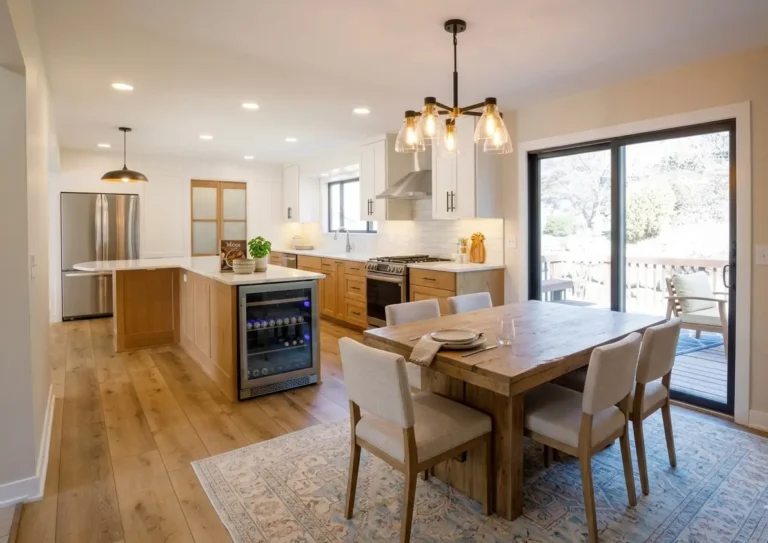
Many remodeling ideas come from visual inspiration rather than functional need. Designs that look effective in photos often fail when applied to real homes because they do not account for layout limitations, structural constraints, or system placement.
Open layouts are a common example. Removing walls creates more space visually, but without proper zoning, the area becomes inefficient. Noise spreads, storage becomes limited, and furniture placement becomes restrictive. The result is a space that looks open but feels harder to use.
Another common issue is overloading design with features that do not improve function. Large islands, oversized fixtures, or decorative elements can reduce usable space and disrupt movement if not planned correctly. Trends fail when they are applied without evaluating how the space operates. A design must match the physical and functional conditions of the home.
Effective design improves how a space performs under daily use. The goal is to reduce friction between movement, tasks, and access. When layout, storage, and lighting are aligned, routine activities become faster, more efficient, and less physically restrictive. Poor design creates interruptions such as blocked pathways, inefficient layouts, and limited accessibility, which affects how often and how well a space is used.
Zoning is one of the most effective design strategies because it organizes space based on function rather than appearance. Instead of relying on fully open layouts, areas are defined according to how they are used. Kitchens are structured around workflow efficiency, where preparation, cooking, and cleaning follow a logical sequence. Living areas are arranged to support movement and interaction without congestion. Private areas such as bedrooms or offices are positioned to reduce noise and maintain separation from high-traffic zones. This approach maintains openness while preserving functional clarity.
Storage integration directly affects how a space operates. When storage is added as an afterthought, it consumes usable space and disrupts layout. Built-in storage systems are designed as part of the structure, which allows them to support organization without interfering with movement. In high-use areas, such as kitchens, bathrooms, and entry points, integrated storage reduces clutter and keeps essential items accessible. This improves both efficiency and overall space utilization.
Lighting design influences both visibility and usability. A single overhead light creates uneven distribution, leaving certain areas underlit while others are overexposed. Layered lighting resolves this by combining different light sources based on function. Task lighting supports specific activities such as cooking or reading. Ambient lighting provides general illumination for movement. Accent lighting highlights key areas and improves spatial perception. Proper lighting placement reduces eye strain and allows each part of the space to function as intended.
Design improvements that consistently enhance daily living include:
Design quality is measured by usability. A space that supports movement, reduces effort, and maintains organization performs better over time than one that focuses only on visual impact.
Remodeling costs increase when decisions are made based on preference rather than function. Not every upgrade adds value, and some increase cost without improving usability.
Material selection is one of the most common cost drivers. High-end materials increase initial expense, but their benefit depends on where they are used. Durable materials in high-use areas provide value. The same materials in low-use areas increase cost without meaningful return.
Design changes during construction create another cost issue. Adjustments disrupt workflow, require additional materials, and extend labor time. Each change affects multiple stages of the project.
Complex layouts also increase cost. More detailed designs require more coordination between trades. This increases labor hours and the potential for rework.
A simplified cost relationship:
Cost Factor | Typical Range | Effect | Cost Impact |
Design Changes | +5% to +20% | Workflow disruption | +10% to +30% |
Material Upgrade | $30–$180/m² | Cost vs durability | +15% to +40% |
Labor Complexity | 75%–95% efficiency | Increased coordination | +10% to +20% |
Rework | 2%–6% | Correction of errors | +10% to +15% |

Remodeling work changes once construction begins because the actual condition of the home becomes fully exposed. Plans are based on initial assessments, but walls, flooring, and ceilings often conceal previous repairs, outdated systems, or structural inconsistencies. These conditions only become visible during demolition, which is why adjustments are sometimes required even in well-planned projects.
The process starts with the removal of existing materials to expose the structural framework and internal systems. This stage provides a clear view of how the home was originally built and how it has been modified over time. Irregular framing, outdated wiring, or deteriorated piping may need correction before new work can proceed. Addressing these issues early prevents them from affecting later stages.
Structural work follows and establishes the foundation of the new layout. Any changes to walls, openings, or load-bearing elements must align with both design intent and structural requirements. This stage determines how space is distributed and how loads are transferred across the building. Errors or misalignment at this point affect system placement, finishing accuracy, and long-term stability.
System installation is carried out once the structure is defined. Plumbing, electrical, and ventilation systems are routed according to the new layout, and each system must be positioned with precision to avoid overlap or interference. Proper coordination ensures that all systems function efficiently without requiring adjustments after installation. Incorrect placement at this stage leads to rework, which increases both time and cost.
Finishing completes the transformation of the space. Surfaces, fixtures, and fittings are installed to match both functional requirements and design expectations. This stage defines how the space looks and how it performs during daily use. Any inconsistency from earlier stages becomes visible here, which is why accuracy in structural and system work is critical.
The overall outcome depends on how closely execution follows the planned sequence and how effectively any necessary adjustments are managed. A project that maintains alignment between planning and execution progresses efficiently, while one that requires frequent corrections becomes slower and more costly.
Remodeling efficiency is determined by how well planning, timing, and execution align from the start. Projects that stay on track are controlled through early decisions, clear sequencing, and consistent coordination. When these elements are in place, work progresses without interruption and resources are used effectively.
Clarity at the planning stage directly affects execution speed. When key decisions such as layout, materials, and system requirements are finalized before construction begins, each stage can proceed without hesitation. Delayed decisions force work to pause or continue with incomplete direction, which leads to corrections later. These corrections increase labor time and introduce unnecessary rework.
Coordination between trades also plays a critical role. Remodeling involves multiple stages that depend on one another. Structural work must be completed before systems are installed, and systems must be properly positioned before finishing begins. If one stage is incomplete or inaccurate, the next stage cannot proceed correctly. This creates overlap, disrupts workflow, and increases total project time.
Material availability affects timing in the same way. When required materials are not on site when needed, progress slows and schedules shift. Delays in delivery affect multiple stages because each part of the project is connected. This extends labor duration and increases overall cost.
Project efficiency is maintained when planning is complete, sequencing is clearly defined, and all resources are available at the right time. When these conditions are met, the project moves forward without interruption and produces consistent results.
Remodeling trends only deliver value when they are applied correctly. Layout changes, system upgrades, and material choices must work together. Poor planning or incorrect execution leads to wasted budget and spaces that do not function as intended.
DG Plumbing Service focuses on remodeling that improves daily living and long-term performance. Each project is planned based on how the space is used, how systems need to be adjusted, and how to keep the work efficient from start to finish.
We handle key areas that directly affect results:
Remodeling without proper coordination leads to adjustments during construction. Those adjustments increase cost, extend timelines, and reduce overall efficiency. A controlled approach keeps the project aligned with both budget and expected outcome.
For remodeling projects that need clear planning, reliable execution, and results that last, contact us at (832) 274-3257
Are remodeling trends actually worth following or just hype?
Some trends are short-lived, but others solve real problems like space efficiency and storage. The key is choosing trends that improve how your home works, not just how it looks.
How do I avoid copying a design that won’t work in my home?
Look at how you use your space daily. If a design doesn’t improve movement, storage, or comfort, it’s likely not the right fit no matter how popular it is.
What’s the biggest mistake homeowners make when upgrading their space?
Focusing too much on appearance and ignoring layout and system impact. A space can look great but still feel awkward or inefficient to use.
Do smart upgrades always increase property value?
Only when they improve performance or usability. Buyers notice layout flow, storage, and system reliability more than decorative features.
Why do some remodels feel better to live in even if they look simple?
Because the layout works. Good design reduces small daily frustrations like tight pathways, poor lighting, or lack of storage.
Is it better to follow trends or stick to a timeless design?
A combination works best. Use timeless layouts and add selected trends that improve function rather than relying on trends alone.
How can I tell if an upgrade will still make sense after a few years?
Ask if it improves durability, reduces maintenance, or supports daily use. If it only adds visual appeal, its value may fade quickly.
What’s one upgrade that almost always pays off in daily living?
Better layout and storage. These two changes affect how you move, organize, and use your space every day.
Atascocita | Baytown| North Houston| Crosby| Kingwood | Porter | Spring | New Caney
Plumber in Humble, TX offering a wide range of services including leak detection, water heater installation, and emergency repairs.
