Residential plumbing systems operate under constant pressure and continuous use. Water moves through pipes every day, carrying force that acts on joints, fittings, and internal surfaces. Over time, this force changes how the system behaves. Small variations in pressure, flow restriction, or material condition begin to affect performance long before any visible issue appears.
Most breakdowns are not sudden. They develop from conditions that were left uncorrected. A slight pressure imbalance, a developing restriction, or a weakening pipe section slowly alters how the system distributes load. When the system can no longer compensate, failure occurs. At that point, repair becomes more complex because multiple areas are already affected.
We approach residential plumbing through ongoing care, precise repair, and long-term system correction. A stable system is one where pressure, flow, and structural integrity remain balanced under normal use.
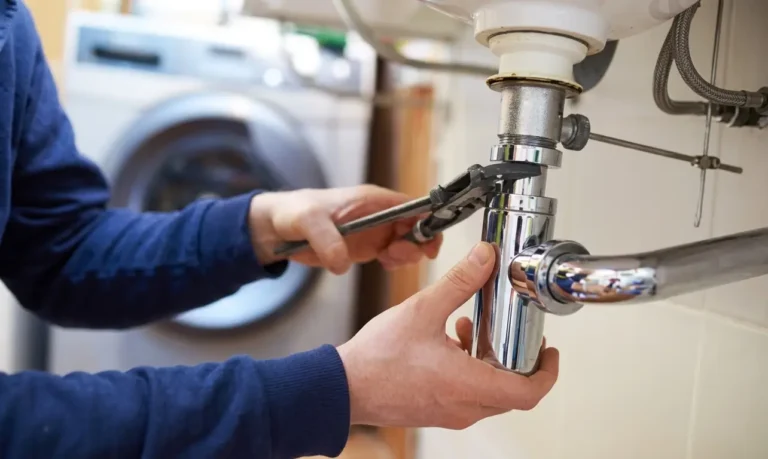
Residential plumbing problems are driven by how the system handles pressure and flow over time. The most common issues appear predictable because they follow the same underlying patterns of stress and material wear. Leaks typically form at points where stress concentrates. These areas include joints, fittings, and sections of pipe that have thinned due to corrosion or long-term pressure exposure. What appears as a small drip is often a sign that the material at that point has already weakened.
Flow restriction develops gradually inside pipes. Buildup reduces internal diameter, which increases resistance to water movement. As resistance increases, pressure builds behind the restriction and places additional stress on surrounding sections of the system.
Pressure instability affects the system as a whole. When pressure rises beyond normal range or fluctuates, it creates uneven force distribution. Some areas experience higher stress, while others receive reduced flow, leading to inconsistent performance across fixtures. Aging materials introduce another layer of risk. Pipes that have lost structural thickness become more sensitive to normal operating pressure. In these systems, even standard conditions can trigger failure because the margin of strength is already reduced.
These problems are connected. One condition changes how the system distributes pressure, which then creates additional stress in other areas. This chain reaction is what causes multiple issues to appear within a short period.
Plumbing systems break down through accumulation of stress rather than isolated events. Internal surfaces are exposed to water movement, minerals, and temperature variation. These factors gradually alter both the strength of materials and the efficiency of flow.
As deposits form inside pipes, the available space for water decreases. This increases resistance, which forces the system to operate under higher localized pressure. The increased pressure does not affect all areas equally. It concentrates on weaker sections, which begin to degrade faster.
Thermal movement adds another layer of stress. Pipes expand and contract as water temperature changes. Repeated expansion affects joint stability and weakens connection points. Over time, this creates micro-movements that lead to loosening or cracking.
Small defects develop under these conditions. A minor crack or weak joint may not immediately fail, but it reduces the system’s ability to handle pressure evenly. As stress continues, these weak points expand until they reach failure.
Breakdown occurs when the system can no longer redistribute load effectively. At that stage, failure becomes visible, but the underlying process has been developing for an extended period.
Repair must focus on restoring system balance rather than addressing visible damage alone. The first step is identifying the true source of failure. Water often travels before appearing, which means the visible issue may not correspond to the actual problem location. Accurate diagnosis prevents unnecessary work and ensures the repair targets the correct area. Once the source is confirmed, the condition of the pipe determines the approach. A localized issue in a structurally sound section can be repaired directly. When material strength has been reduced, replacement becomes necessary to restore reliability. Leaving weakened sections in place allows stress to remain in the system.
Pressure conditions must be addressed during repair. If pressure imbalance contributed to the failure, correcting only the damaged point shifts stress to another section. Stabilizing pressure ensures that force is distributed evenly and prevents new failures. Repair also includes evaluating how water has affected surrounding materials. Moisture can extend beyond the pipe and weaken nearby structures. Addressing only the pipe without considering this spread leaves hidden damage that can develop later.
A complete repair restores structural integrity, balances pressure, and confirms that the system performs consistently under normal use.

Professional service is required when the system shows signs of instability or when issues extend beyond isolated conditions. Recurring leaks indicate that stress is being redistributed rather than resolved. Hidden leaks require precise detection to avoid unnecessary structural damage.
Pressure-related issues affect the entire system and cannot be corrected through localized repair. When pressure fluctuates or remains outside normal range, it creates ongoing stress that leads to multiple failures.
Situations that require professional attention include:
At this stage, repair must address the system as a whole rather than individual symptoms.
We focus on identifying how each issue affects system performance. Every repair begins with understanding pressure distribution, flow behavior, and material condition. This allows us to address the source of failure rather than applying temporary fixes.
Our work emphasizes long-term stability. We replace compromised sections when necessary, correct pressure conditions, and ensure that repairs perform under normal operating load. This approach reduces recurring issues and limits future repair cost.
We provide clear assessment so homeowners understand system condition and required actions. This prevents unnecessary work and avoids repeated repair cycles.
For reliable plumbing care, repair, and long-term system solutions, contact us at (832) 274-3257
Why do plumbing systems fail even without heavy use
Continuous pressure and gradual material wear weaken components over time.
What causes repeated plumbing problems in the same house
Unresolved system imbalance causes stress to shift and create new failure points.
How can I extend the lifespan of my plumbing system
Maintaining stable pressure and addressing small issues early prevents long-term damage.
When should pipes be replaced instead of repaired
Replacement is necessary when material strength is reduced due to corrosion or wear.
Why does pressure affect plumbing reliability
Pressure determines how force is distributed across the system and affects durability.
Can one plumbing issue lead to others
Yes, imbalance in one area affects nearby components and creates additional problems.
What is the best way to prevent plumbing breakdowns
Regular inspection and early intervention keep the system stable.
How do professionals ensure repairs last
By addressing both the source of failure and system conditions such as pressure and flow.
Atascocita | Baytown| North Houston| Crosby| Kingwood | Porter | Spring | New Caney
Plumber in Humble, TX offering a wide range of services including leak detection, water heater installation, and emergency repairs.
