A residential plumbing guide should do more than explain how to fix problems. It should help you avoid them before they start. Most plumbing systems do not fail overnight. They deteriorate through pressure imbalance, gradual wear, and unnoticed changes in flow that build over time.
Homeowners often deal with repairs as they come, without seeing how each issue connects to the overall system. A slow drain, a minor leak, or inconsistent pressure may seem unrelated, but they usually point to the same underlying problem. When these early signs are ignored, the system becomes unstable, and repair costs increase because multiple areas are affected at once.
We approach residential plumbing from a prevention standpoint. A well-maintained system stays balanced, handles daily demand without strain, and avoids the cycle of repeated repairs. Understanding how the system behaves under normal conditions is what allows homeowners to keep it running efficiently and reduce long-term costs.
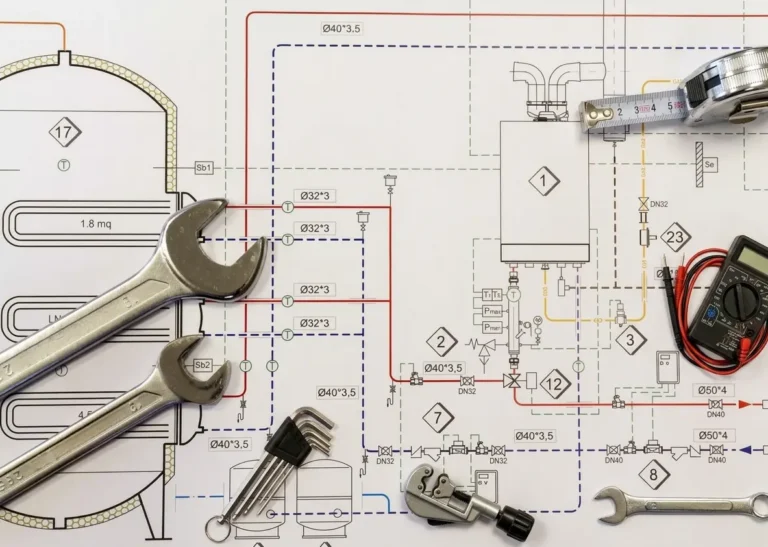
Plumbing issues do not appear randomly. They develop from predictable conditions that affect the system over time. The most common causes are pressure imbalance, material wear, and restricted flow. Pressure is one of the biggest contributors. When water pressure is too high, it places continuous stress on joints, valves, and pipe walls. This stress does not cause immediate failure. It weakens components gradually until a leak or break forms at the weakest point.
Material wear is another factor that builds slowly. Pipes expand and contract with temperature changes, and internal surfaces are exposed to minerals and debris. Over time, this affects both strength and flow capacity. Older systems are more vulnerable because multiple sections may already be weakened. Flow restriction creates additional strain. When drains or pipes begin to clog, water movement becomes uneven. Pressure builds behind the restriction, and that pressure transfers stress to surrounding areas of the system.
Most problems start as small imbalances. When those imbalances are ignored, they develop into visible failures.
Preventing repairs requires controlling the conditions that cause damage. The goal is to keep pressure stable, maintain consistent flow, and address small issues before they spread.
The most effective preventive actions include:
Each of these actions limits stress within the system. When pressure remains stable and flow stays unobstructed, pipes operate within their intended range, which reduces wear and extends lifespan.
Preventive work keeps problems small. Once damage spreads, the system becomes more difficult to stabilize.
Water pressure controls how force moves through a residential plumbing system, and that force directly affects how long pipes, joints, and fixtures can operate without failure. Every component in the system is designed to handle a specific pressure range. When pressure stays within that range, water flows efficiently and stress is distributed evenly. When it exceeds or drops below that range, the system begins to lose balance.
High pressure increases internal force against pipe walls and connection points. This does not usually cause immediate failure. Instead, it creates continuous micro-stress across the system. Over time, this stress weakens seals, expands small defects, and reduces the structural integrity of fittings. The result is delayed failure, where leaks appear suddenly even though the system has been under strain for an extended period. In many cases, what looks like a random leak is the final stage of long-term pressure overload.
Low pressure signals a different type of issue. It usually indicates resistance within the system, often caused by leaks, partial blockages, or valve restrictions. Instead of stressing the system through force, low pressure reduces efficiency and disrupts flow consistency. Fixtures operate unevenly, and water distribution becomes unstable across different parts of the home.
Fluctuating pressure is often the most damaging condition because it combines both extremes. Rapid changes in pressure create repeated expansion and contraction within pipes and joints. This cycling effect accelerates material fatigue and increases the likelihood of joint failure over time.
From a system perspective, pressure stability is more important than pressure level alone. A slightly higher but stable pressure is often less damaging than pressure that constantly rises and falls.
To better understand how pressure affects system performance, here is a simplified technical breakdown:
| Pressure Condition | Typical Range (psi) | System Behavior | Mechanical Effect | Long Term Impact |
|---|---|---|---|---|
| Low Pressure | < 40 psi | Weak flow, uneven distribution | Increased flow resistance, possible air intrusion | Indicates leaks, blockages, or supply issues |
| Optimal Pressure | 40–60 psi | Stable flow and balanced performance | Even force distribution across pipes and fittings | Maximum system lifespan and efficiency |
| High Pressure | 60–80 psi | Strong flow, higher stress on components | Elevated tensile stress on joints and seals | Accelerated wear, early leak formation |
| Excessive Pressure | > 80 psi | Overloaded system behavior | Continuous stress beyond material tolerance | Pipe failure, burst risk, repeated repairs |
| Fluctuating Pressure | Variable swings | Inconsistent flow, unstable performance | Cyclic stress causing expansion and contraction | Material fatigue and joint failure over time |
From a more technical standpoint, pressure can be understood as force per unit area acting on pipe walls. When that force exceeds material tolerance or fluctuates repeatedly, the system experiences fatigue. This is similar to how repeated stress weakens any structural material over time, even if each individual stress event seems minor.
We focus on maintaining pressure within a stable operating range because it prevents stress from building across the system. Regulating pressure, identifying restrictions, and correcting imbalances keeps the system operating under controlled conditions. This reduces long-term wear, prevents unexpected failures, and keeps the plumbing network performing efficiently under daily use.

Maintenance keeps the system stable by identifying early signs of imbalance and correcting them before they develop into larger problems. A plumbing system that is inspected regularly does not rely on visible failure to trigger repairs.
During maintenance, pressure levels are checked, pipe conditions are reviewed, and early signs of wear are addressed. Small adjustments prevent stress from building across the system. This reduces the likelihood of sudden leaks or blockages.
Maintenance also improves efficiency. When water flows consistently and pressure remains balanced, the system operates within its intended range. This extends the lifespan of pipes and fixtures.
Without maintenance, the system shifts into a reactive cycle. Problems are addressed only after they become visible, and by that point, damage has already spread.
Knowing when to call a professional prevents small issues from becoming costly repairs. Certain signs indicate that the problem is no longer isolated.
You should call a professional when:
These signs show that the system is under stress and requires proper diagnosis. Waiting allows damage to spread, which increases both complexity and cost.
We focus on identifying the root cause of these issues so repairs remain controlled and do not repeat.
We focus on preventing problems rather than reacting to them. Every service begins with understanding how the system is performing and where stress is building. This allows us to address issues before they lead to failure.
Our work is centered on system stability. We correct pressure imbalances, identify weak sections, and ensure that flow remains consistent throughout the system. This reduces the likelihood of recurring problems and keeps the system operating efficiently.
We also provide clear insight into the condition of the system so homeowners understand what needs attention and why. This prevents unnecessary repairs and avoids repeated service calls.
For long-term plumbing performance and fewer unexpected repairs, contact DG Plumbing Service at (832) 274-3257
What’s the first sign my plumbing system is starting to fail?
It’s usually not a leak. It’s subtle changes like inconsistent pressure, slow drainage, or strange pipe noises. These show the system is already under stress.
Why do plumbing issues seem to show up one after another?
Because the system is connected. When one part weakens, pressure and flow shift to other areas, causing new problems to appear shortly after.
Can I prevent plumbing problems even if my system is old?
Yes, but it requires more attention. Older systems benefit from regular checks, pressure control, and replacing weak sections before they fail.
How do I know if my water pressure is damaging my pipes?
If you hear banging sounds, notice frequent leaks, or experience sudden fixture wear, pressure may be too high and stressing the system.
Why does my drain keep clogging even after I clean it?
Recurring clogs often mean buildup deeper in the system or poor flow conditions, not just surface blockage. The issue hasn’t been fully cleared.
Is it better to fix small plumbing issues right away or wait?
Fix them early. Small issues stay contained. Waiting allows them to spread, which increases both repair difficulty and cost.
How does everyday water use affect my plumbing system long term?
Daily habits shape system performance. Repeated strain from pressure, improper usage, or buildup gradually weakens pipes and connections.
What makes a plumbing system run efficiently over time?
Stable pressure, clear flow, and strong connections. When these stay balanced, the system handles daily use without developing recurring problems.
Atascocita | Baytown| North Houston| Crosby| Kingwood | Porter | Spring | New Caney
Plumber in Humble, TX offering a wide range of services including leak detection, water heater installation, and emergency repairs.
