Ever turned on the shower only to watch the water swirl slowly down the drain? Or maybe your kitchen sink gurgles after washing dishes. These are classic signs that your drains are beginning to lose efficiency, and if ignored, a minor clog can turn into a serious and expensive problem. Drains are one of those systems in your home that rarely get attention until they stop working properly. Unlike a leaky faucet that you notice immediately, drains block gradually. Hair, soap scum, grease, mineral buildup, and even tree roots quietly accumulate over time. Eventually, water flow slows or stops completely. At that point, drain cleaning shifts from optional maintenance to an urgent necessity.
Proper drain maintenance is not just about convenience. It protects your home’s plumbing system, prevents foul odors and mold growth, and extends the life of your sewer lines. According to the U.S. Environmental Protection Agency, poorly maintained plumbing systems can increase the risk of contamination and water quality issues inside the home. Think of drain cleaning like regular vehicle maintenance. You may not see the benefit immediately, but skipping it often leads to breakdowns that cost far more to fix. At DG Plumbing, we understand how stressful plumbing problems can be. Whether you are dealing with slow drains, recurring clogs, unpleasant odors, or a complete sewer backup, our professional Sewer and Drain Cleaning services are designed to solve the issue correctly the first time. In this complete guide, you will learn what causes drain clogs, how much professional drain cleaning costs, best practices for prevention, and when to call a trusted plumbing professional. By the end, you will also understand why DG Plumbing is the dependable choice for long term drain solutions.
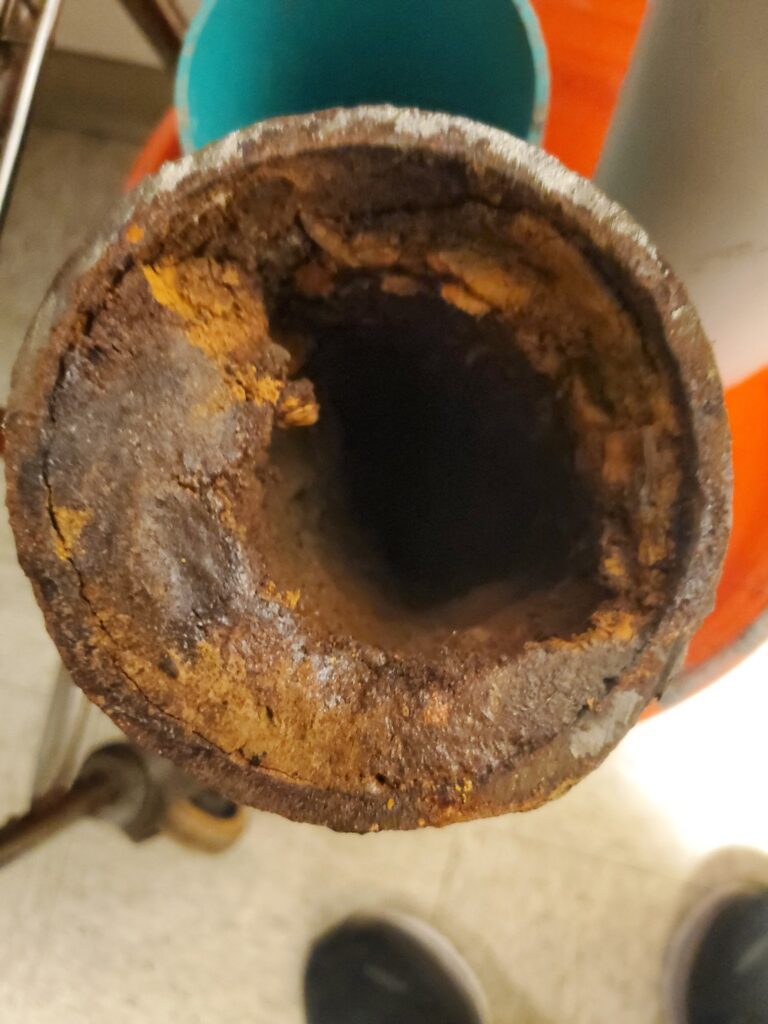
Understanding the causes of drain clogs is the first step toward preventing them. Most drain problems follow predictable patterns based on daily habits.
Hair and soap scum are the leading causes of bathroom drain clogs. Hair binds with soap residue and forms sticky masses that cling to pipe walls. Over time, these clumps trap additional debris and restrict water flow.
In kitchens, grease and food waste are the most common offenders. Cooking oils and grease do not stay liquid once they cool. Instead, they coat the inside of pipes and capture food particles, forming stubborn blockages that worsen with each use.
Foreign objects are another frequent cause. Items such as wipes, paper towels, hygiene products, cotton swabs, and dental floss do not break down properly in plumbing systems. Even products labeled flushable can create significant blockages.
Hard water minerals also play a role. Calcium and magnesium deposits build up along pipe walls, gradually narrowing the internal diameter and reducing drainage efficiency.
Tree roots are a serious issue for older homes or properties with aging sewer lines. Roots seek moisture and can enter small cracks in underground pipes. Once inside, they grow and expand, eventually blocking the sewer line completely.
If clogs occur frequently or worsen over time, professional Sewer and Drain Cleaning is the most effective way to remove buildup and restore proper flow.
Many homeowners try store-bought drain cleaners first, but these products often mask symptoms instead of solving the real problem. In some cases, they can even damage pipes.
Slow-draining sinks, tubs, or showers are one of the earliest warning signs. If water lingers longer than usual, buildup is already present.
Gurgling sounds after running water indicate trapped air caused by partial blockages. This often means the problem is further down the line.
Recurring clogs are another red flag. If you clear a drain and it clogs again shortly afterward, the obstruction likely extends beyond the reach of basic tools.
Unpleasant odors coming from drains suggest decomposing organic matter inside the pipes or sewer line.
The Centers for Disease Control and Prevention (CDC) warns that standing water and sewer backups can expose households to harmful bacteria, mold, and other health hazards if not addressed quickly.
DG Plumbing uses advanced diagnostics, including drain cameras and professional cleaning equipment, to identify and resolve issues accurately and safely.
Professional drain cleaning focuses on identifying the problem before applying the correct solution.
Drain snaking uses a flexible cable to break up clogs close to the fixture. It works well for hair and small obstructions.
Hydro jetting is a more powerful method that uses high-pressure water to remove grease, sludge, mineral buildup, and even tree roots. This process cleans the entire pipe, not just the blockage.
Video camera inspections allow plumbers to see inside the pipe in real time. This eliminates guesswork and prevents unnecessary repairs.
Root removal tools and targeted jetting are used when tree roots are present in sewer lines.
If cleaning reveals damaged or collapsed pipes, DG Plumbing can recommend sewer repair or replacement options that address the issue long-term.
Drain cleaning costs vary depending on the severity and location of the clog.
Basic snaking typically ranges from one hundred to two hundred fifty dollars.
Hydro jetting services generally cost between three hundred and six hundred dollars, depending on pipe length and condition.
Video inspections usually range from one hundred to three hundred dollars and often save money by preventing unnecessary work.
Main sewer line blockages or root removal can cost more due to complexity and equipment requirements.
Factors that affect pricing include accessibility, pipe material, blockage type, and whether additional repairs are needed.
Investing in professional drain cleaning often prevents more expensive plumbing emergencies later.
Preventative care reduces the likelihood of costly clogs.
Use drain strainers to catch hair and debris in sinks and showers.
Never pour grease or cooking oil down kitchen drains. Dispose of it in sealed containers instead.
Run cold water when using garbage disposals to help solidify grease before it enters the drain.
Schedule professional drain maintenance every one to two years, especially for older homes.
Educate household members about what should and should not go down drains.
Routine maintenance protects your plumbing system and reduces emergency repairs.
Some clogs indicate underlying plumbing issues.
Repeated blockages in the same drain suggest a deeper obstruction.
Multiple slow drains often point to a main sewer line issue.
Tree root intrusion can signal aging or damaged sewer pipes.
Pipe corrosion narrows passageways and increases clog frequency.
In these cases, professional inspection is essential to determine whether repair, replacement, or remodeling is required.
How often should drains be professionally cleaned?
Most homes benefit from professional cleaning every one to two years, depending on usage and pipe age.
Are chemical drain cleaners safe?
Occasional mild use may help slow drains, but frequent use can damage pipes and does not resolve deep blockages.
What is the difference between snaking and hydro jetting?
Snaking breaks up localized clogs, while hydro jetting cleans the entire pipe interior.
Will drain cleaning fix sewer line damage?
Cleaning removes blockages but does not repair broken pipes. Inspections help determine if repairs are needed.
Does insurance cover drain cleaning?
Routine maintenance is usually not covered, but damage caused by sudden sewer failures may be partially covered depending on the policy.
Drain problems often begin quietly, but they can escalate quickly if ignored. The right habits, routine maintenance, and professional support make a significant difference.
From Sewer and Drain Cleaning to water heater replacement and Bathroom Remodel plumbing support, DG Plumbing delivers dependable solutions built on experience and transparency.
If you notice slow drains, recurring clogs, or unpleasant odors, do not wait for a plumbing emergency. Call 832-274-3257 to schedule service with DG Plumbing today. Your drains and your home will thank you.
Atascocita | Baytown| North Houston| Crosby| Kingwood | Porter | Spring | New Caney
Plumber in Humble, TX offering a wide range of services including leak detection, water heater installation, and emergency repairs.
